
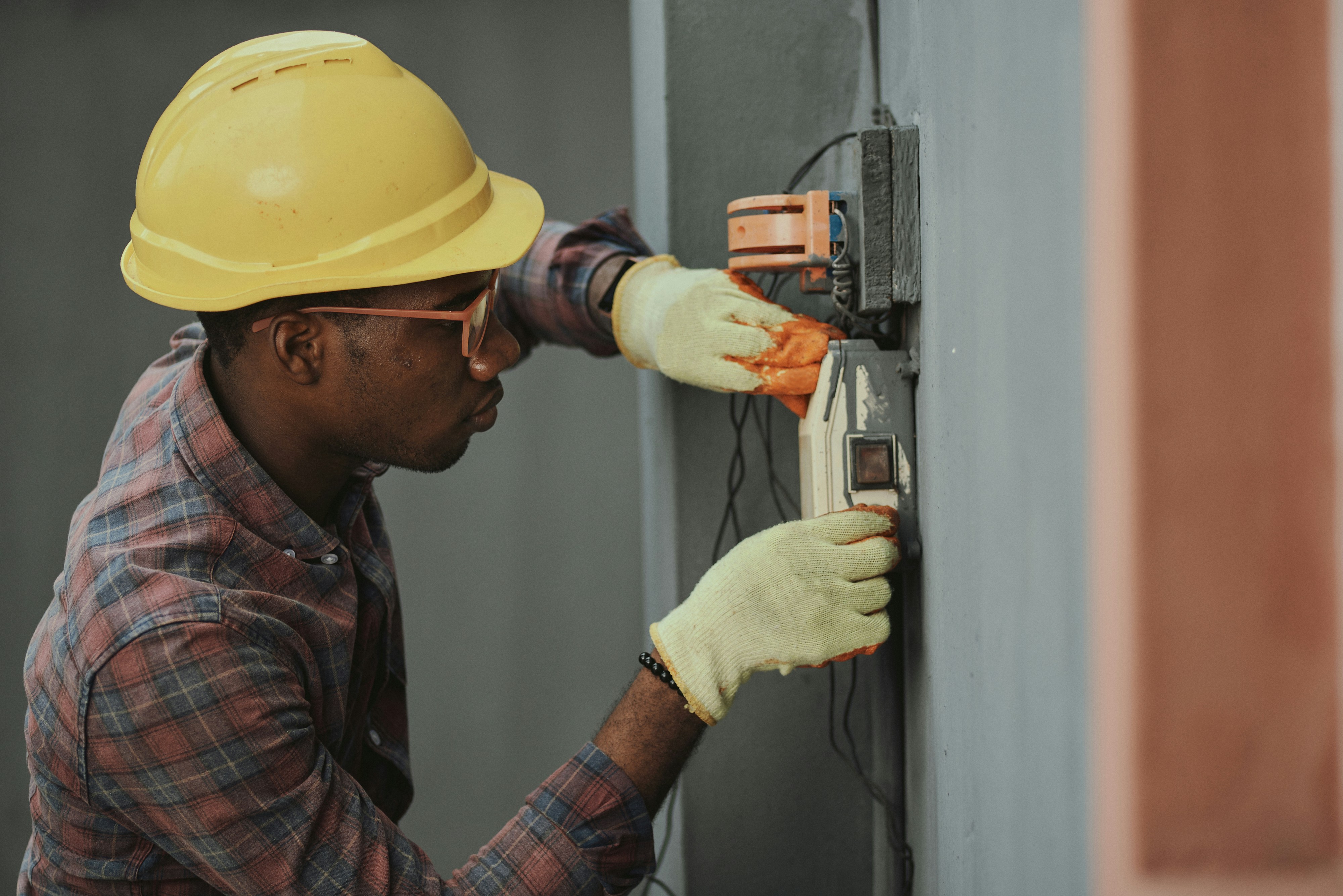
Circular Economy in Building Maintenance: Extending Asset Lifecycles and Reducing Waste
Buildings and their components are major material stocks — and also major sources of waste when parts are discarded rather than repaired or reused. Adopting circular-economy principles in the operational phase of buildings means keeping components in use for as long as possible through repair, refurbishment and reuse, and Buildings and their components are major material stocks — and also major sources of waste when parts are discarded rather than repaired or reused. Adopting circular-economy principles in the operational phase of buildings means keeping components in use for as long as possible through repair, refurbishment and reuse, and minimising unnecessary replacements. Maintenance is the daily mechanism that makes that possible: it slows material flows, preserves embodied carbon, and demonstrates environmental responsibility to stakeholders.
Why maintenance matters for circularity
Circular strategies typically follow a preference order: prevent (design and maintain to avoid failure), extend (repair and maintain to lengthen life), reuse/refurbish, and only then recycle. Proper maintenance shifts value from replacement to extension — reducing raw-material demand, lowering lifecycle costs and cutting greenhouse-gas emissions associated with manufacture and disposal. Research shows that lifecycle-focused maintenance strategies are central to delivering the circular built environment.
Core practices that extend asset lifecycles
1. Proactive inspections
Frequent, systematic inspections catch early signs of wear and small failures before they cascade into major replacements. Digitised inspection checklists improve consistency, evidence capture and follow-through so that small repairs aren’t missed.
2. Preventive (and condition-based) maintenance
Scheduled preventive maintenance and condition-based interventions (using sensors or inspection data) slow degradation and keep components operating within spec, increasing mean time between replacements. This approach is often more cost-effective and more circular than the reactive “replace when broken” model.
3. Detailed asset tracking and documentation
Knowing an asset’s history — what repairs were done, which parts were replaced, and what spare parts remain — enables reuse of serviceable components and avoids needless procurement. Clear records also support resale, refurbishment or remanufacturing strategies.
4. Repair-first culture and spare-parts management
Adopting a repair-first policy and managing an inventory of interchangeable parts (or sourcing modular components designed for disassembly) reduces waste and shortens downtime. Design and procurement choices that prioritise repairability feed directly into maintenance outcomes.
Measurement: how organisations prove impact
To show progress toward sustainability goals, organisations must measure outcomes: asset lifespan extensions, reductions in replaced units, waste diverted from landfill, and embodied-carbon savings from reuse. Reporting these indicators — supported by audit trails from inspection and maintenance records — demonstrates environmental responsibility to investors, regulators and tenants. Peer playbooks for circular built environments highlight well-maintained operational phases as a key lever for reducing overall building impacts.
How maintenance software (like Onsite HQ) enables circular outcomes
Digital maintenance and inspection platforms convert field activity into actionable, auditable data:
- Centralised inspection records: capture photos, condition notes and timestamps so repair opportunities are not lost.
- Automated work orders: turn inspection findings into prioritized, trackable tasks to close the loop on repairs before failures escalate.
- Asset histories and audit trails: provide the provenance and repair details needed to decide whether a component can be reused, refurbished or must be replaced.
- Analytics for decision support: dashboards show trending failure modes, enabling targeted design or procurement changes that improve repairability and circularity.
By replacing paper forms and siloed spreadsheets with a single source of truth, property operators can act faster, make data-backed repair vs replace decisions, and prove the environmental benefits of maintenance activities to stakeholders.
Practical checklist for teams who want to get started
- Move inspections to a digital platform to ensure completeness and traceability.
- Classify assets by repairability and criticality (which assets should be repair-first).
- Implement preventive maintenance frequencies informed by condition data rather than fixed time only.
- Establish a parts-reuse policy and track component lifecycles in your CMMS or inspection tool.
- Report KPIs (asset life extension, replacement rate, waste diverted) and publish them in sustainability reports or tenant communications.
Maintenance as a strategic lever for circular buildings
Maintenance is not only an operational necessity — it is a strategic enabler of circularity. By catching problems early, choosing repair over replacement when viable, and documenting interventions with robust software, building operators can stretch asset lifecycles, reduce waste and meet stronger environmental expectations from regulators and tenants. Digitised inspections and asset tracking—core capabilities of Onsite HQ—help teams turn everyday maintenance into measurable sustainability wins.
unnecessary replacements. Maintenance is the daily mechanism that makes that possible: it slows material flows, preserves embodied carbon, and demonstrates environmental responsibility to stakeholders.
Why maintenance matters for circularity
Circular strategies typically follow a preference order: prevent (design and maintain to avoid failure), extend (repair and maintain to lengthen life), reuse/refurbish, and only then recycle. Proper maintenance shifts value from replacement to extension — reducing raw-material demand, lowering lifecycle costs and cutting greenhouse-gas emissions associated with manufacture and disposal. Research shows that lifecycle-focused maintenance strategies are central to delivering the circular built environment.
Core practices that extend asset lifecycles
1. Proactive inspections
Frequent, systematic inspections catch early signs of wear and small failures before they cascade into major replacements. Digitised inspection checklists improve consistency, evidence capture and follow-through so that small repairs aren’t missed.
2. Preventive (and condition-based) maintenance
Scheduled preventive maintenance and condition-based interventions (using sensors or inspection data) slow degradation and keep components operating within spec, increasing mean time between replacements. This approach is often more cost-effective and more circular than the reactive “replace when broken” model.
3. Detailed asset tracking and documentation
Knowing an asset’s history — what repairs were done, which parts were replaced, and what spare parts remain — enables reuse of serviceable components and avoids needless procurement. Clear records also support resale, refurbishment or remanufacturing strategies.
4. Repair-first culture and spare-parts management
Adopting a repair-first policy and managing an inventory of interchangeable parts (or sourcing modular components designed for disassembly) reduces waste and shortens downtime. Design and procurement choices that prioritise repairability feed directly into maintenance outcomes.
Measurement: how organisations prove impact
To show progress toward sustainability goals, organisations must measure outcomes: asset lifespan extensions, reductions in replaced units, waste diverted from landfill, and embodied-carbon savings from reuse. Reporting these indicators — supported by audit trails from inspection and maintenance records — demonstrates environmental responsibility to investors, regulators and tenants. Peer playbooks for circular built environments highlight well-maintained operational phases as a key lever for reducing overall building impacts.
How maintenance software (like Onsite HQ) enables circular outcomes
Digital maintenance and inspection platforms convert field activity into actionable, auditable data:
- Centralised inspection records: capture photos, condition notes and timestamps so repair opportunities are not lost.
- Automated work orders: turn inspection findings into prioritized, trackable tasks to close the loop on repairs before failures escalate.
- Asset histories and audit trails: provide the provenance and repair details needed to decide whether a component can be reused, refurbished or must be replaced.
- Analytics for decision support: dashboards show trending failure modes, enabling targeted design or procurement changes that improve repairability and circularity.
By replacing paper forms and siloed spreadsheets with a single source of truth, property operators can act faster, make data-backed repair vs replace decisions, and prove the environmental benefits of maintenance activities to stakeholders.
Practical checklist for teams who want to get started
- Move inspections to a digital platform to ensure completeness and traceability.
- Classify assets by repairability and criticality (which assets should be repair-first).
- Implement preventive maintenance frequencies informed by condition data rather than fixed time only.
- Establish a parts-reuse policy and track component lifecycles in your CMMS or inspection tool.
- Report KPIs (asset life extension, replacement rate, waste diverted) and publish them in sustainability reports or tenant communications.
Maintenance as a strategic lever for circular buildings
Maintenance is not only an operational necessity — it is a strategic enabler of circularity. By catching problems early, choosing repair over replacement when viable, and documenting interventions with robust software, building operators can stretch asset lifecycles, reduce waste and meet stronger environmental expectations from regulators and tenants. Digitised inspections and asset tracking—core capabilities of Onsite HQ—help teams turn everyday maintenance into measurable sustainability wins.


