
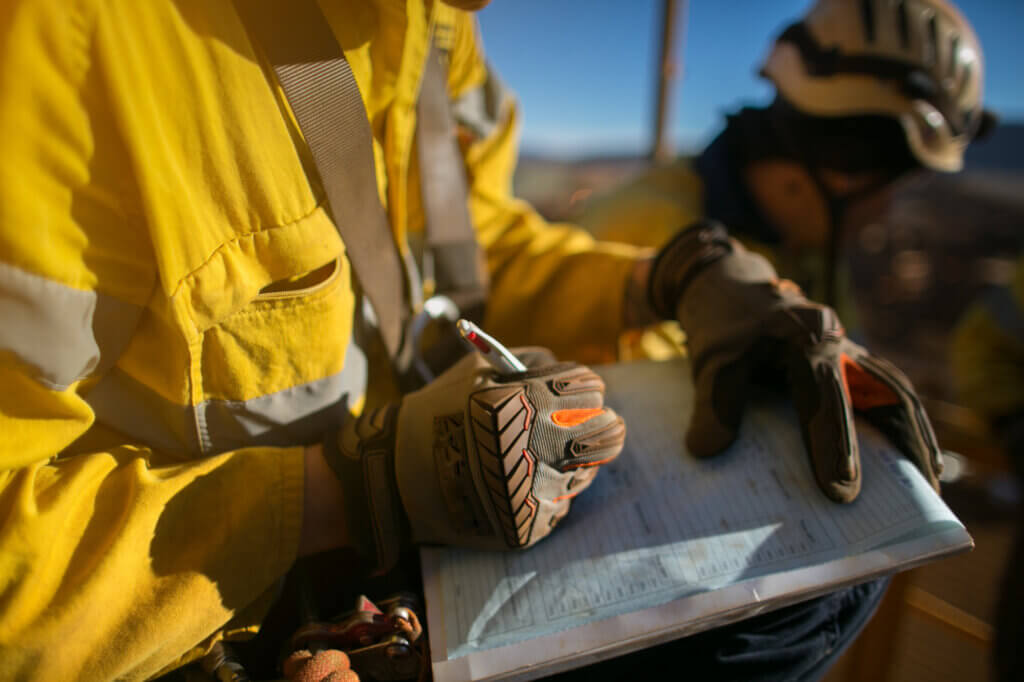
Year-End Safety Inspections: Staying Compliant With Canadian Building Regulations
As the year comes to an end, property managers across Canada enter one of the most important phases of their operational cycle: confirming that their buildings meet all mandated fire and life-safety requirements. Year-end inspections are more than routine tasks — they serve as a formal record of compliance, demonstrating that buildings remained safe, functional, and properly maintained throughout the year.
In a country known for strict fire codes, evolving regulations, and harsh winter conditions, the year-end inspection acts as both a safeguard and a strategic planning tool. This post explores why these inspections matter, the risks of falling behind, and how property managers can streamline compliance using modern tools.
Why Year-End Safety Compliance Matters
Canadian building regulations are comprehensive and enforced at national, provincial, and municipal levels. Fire marshals, insurance companies, and condo boards increasingly expect clear, organized documentation that proves systems were inspected and maintained on time.
Strong year-end compliance helps property managers:
- Reduce operational risk
- Avoid violations and fines
- Strengthen insurance claims
- Improve resident and tenant safety
- Maintain trust and transparency with boards and stakeholders
Because winter temperatures put additional strain on heating systems, emergency exits, and critical life-safety components, this period is especially important for ensuring everything is functioning as it should.
Key Areas of Focus During Year-End Safety Inspections
Rather than listing tasks, this section explains the purpose and importance of each safety component inspected at the end of the year.
Fire Alarm Systems: Core Life-Safety Infrastructure
Fire alarm systems must be tested annually by certified technicians. A year-end review verifies that all components — panels, detectors, pull stations, annunciators, and communication links — have been correctly inspected.
A compliant building will have:
- An up-to-date inspection certificate
- No unresolved system faults
- Accurate logs of any repairs or deficiencies
- Full integration between the alarm and sprinkler systems
Fire marshals often request reports from the past 12 months, making centralization of documentation essential.
Fire Extinguishers and Suppression Equipment
Extinguishers must be:
- Accessible
- Properly pressurized
- Tagged with current inspection dates
- Maintained annually and visually inspected monthly
Commercial kitchens and mechanical rooms may also require specialized suppression systems, which must be certified annually.
Missing or outdated tags are among the most common causes of fire code violations — even in otherwise well-managed buildings.
Emergency Exits and Egress Routes
Canadian winters create unique challenges for exit compliance. Snow, ice, and freezing temperatures can obstruct exits or affect door hardware.
A proper year-end exit inspection ensures:
- All exit doors open fully and safely
- Stairwells and corridors remain unobstructed
- Exit signage is illuminated
- Exterior pathways are cleared of snow and ice
This area is highly scrutinized because improper egress poses immediate life-safety risks.
Fire-Rated Doors: Maintaining Compartmentalization
Fire-rated doors help slow the spread of smoke and flames, giving occupants critical time during an emergency.
Typical issues identified during year-end inspections include:
- Doors that do not self-close
- Damaged seals or latches
- Missing or unreadable certification labels
- Doors propped open, often unintentionally
Because these doors play a vital protective role, deficiencies are taken seriously by inspectors.
Smoke and Carbon Monoxide Detection Systems
With increased reliance on heating systems during winter, CO and smoke detection becomes especially important.
Property managers must ensure:
- Detectors are functioning properly
- Devices meet placement and regulatory requirements
- Batteries are replaced or hardware is updated if expired
- Hardwired systems integrate correctly with central panels
Many provinces mandate CO detectors near sleeping areas or mechanical rooms, making proper coverage essential.
Documentation: The Core of Modern Compliance
Even when buildings are inspected correctly, poor documentation can still put them out of compliance.
Paper forms, scattered reports, and inconsistent contractor communication are common sources of risk.
Clear, centralized records allow property managers to:
- Demonstrate compliance instantly
- Provide evidence for audits or fire marshal requests
- Track recurring system issues
- Prepare budgets and maintenance plans for the following year
This is where digital solutions become indispensable.
Year-end safety inspections are more than a regulatory obligation; they are a vital part of responsible property management. They ensure that buildings remain safe, compliant, and well-prepared for the year ahead. With increasing expectations for accountability and documentation, modern property managers benefit greatly from adopting digital tools that streamline inspections, organize data, and strengthen operational transparency.
With the right systems in place, year-end compliance becomes not only manageable — but strategic.


